LOCAL HISTORY / REDMOND · Homegrown fun
Nintendo Next Door: The Washington Home of Nintendo of America
A warehouse, a test route, and a Redmond address: the local work behind a familiar name.
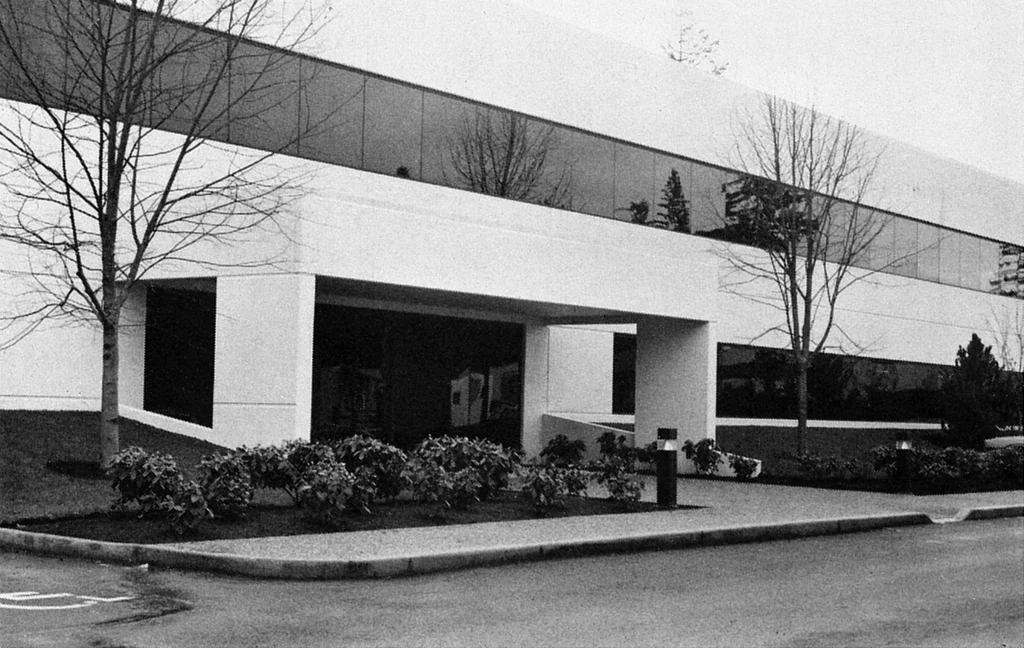
The building in the old photograph is surprisingly ordinary. Low walls, broad windows, a driveway: it could belong to any number of businesses. Nothing in the architecture predicts the number of living rooms that will eventually know the company’s name. That is part of the pleasure of finding Nintendo in Northwest history. A vast imaginary world had a very practical local address.
Nintendo began in Kyoto in 1889, making hanafuda playing cards. Its American subsidiary was established in 1980, and Nintendo’s own timeline dates its Redmond headquarters to 1982. The Washington story is therefore one chapter in a much longer Japanese history: the building of an American operation that could bring products to a new audience.
Before Redmond, a warehouse
The early Washington operation included a warehouse and office on Southcenter Parkway in Tukwila. Historical trade-publication material assembled by researcher Kate Willaert places Nintendo there in 1981, receiving conversion parts for Donkey Kong. The Redmond building followed by the end of 1982. Those are different locations and stages of the company’s growth, even when older accounts describe both broadly as Seattle.
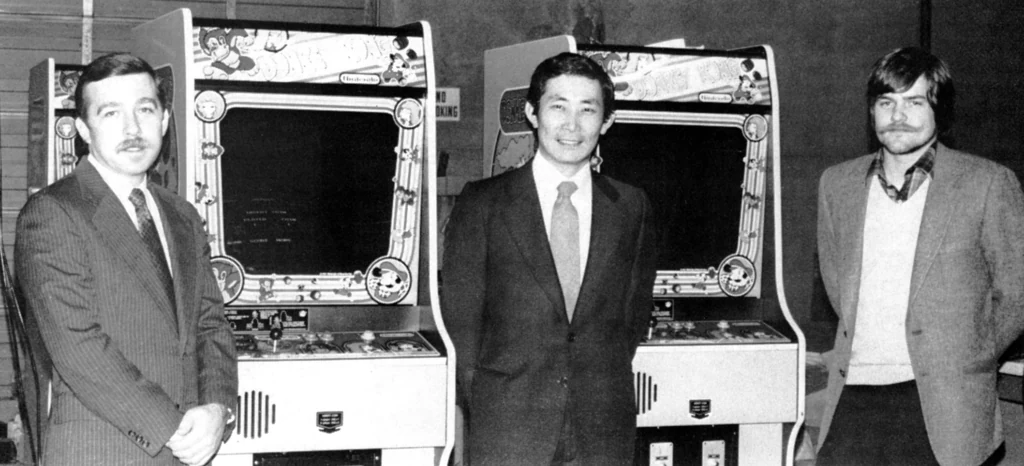
Howard Phillips arrived in 1981 to help with shipping and warehousing. In a later interview, he recalled a friend inviting him to a company that needed help moving things. His account names a small group working around Nintendo of America president Minoru Arakawa, with sales, engineering and bookkeeping close enough to meet in person.
Phillips also described taking arcade machines to test locations around the south end of Seattle, checking their coin receipts and talking to players. He adjusted the limited settings available and brought what he learned back to Arakawa. A game arriving from Japan was being tested against what local customers actually wanted to play.
This is an unusually tangible beginning for a company associated with fantasy. The work involved a pickup, a doorway wide enough for a cabinet, and the money collected after people had tried it. Before there could be a household name, there had to be a game someone would choose when another machine stood beside it.
An American home for Japanese games
Nintendo’s corporate history places Donkey Kong’s arcade arrival in 1981 and the North American launch of the Nintendo Entertainment System in 1985. Between those milestones sits the 1982 Redmond headquarters entry. The sequence helps put the local campus in perspective: it became Nintendo of America’s base while the company was moving from arcade success toward a much larger home audience.
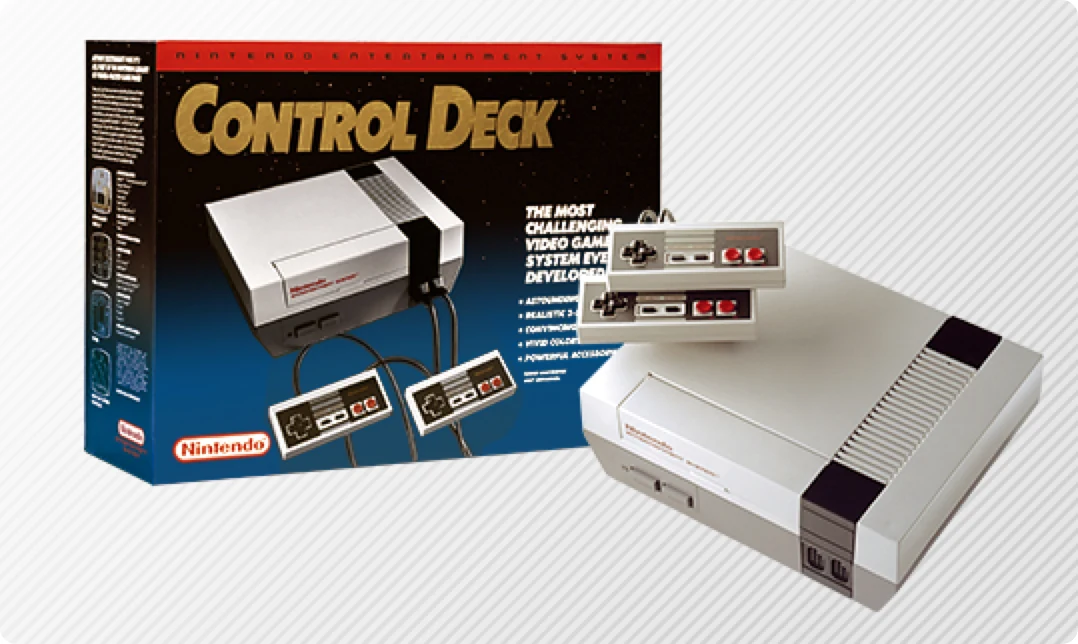
A console in a child’s room can make the company behind it feel distant and abstract. An American headquarters has to deal with the details that connect the two: products, distribution, customers, and the language used to explain the games. In this story, Washington is the working home of Nintendo’s American business, while Kyoto remains the home of its parent company.
Phillips eventually became a public face of that connection as Gamemaster Howard and a Nintendo Power editor. His route from warehouse work to talking about games suggests how valuable close attention to players could be. The person who listened beside an arcade cabinet would later help explain the games to a much wider audience.
The headquarters changes shape
The familiar modern headquarters at 4600 150th Avenue NE is not the early building in the opening photograph. Nintendo’s current contact page gives the newer address. Willaert’s architectural chronology records the demolition of the old 4820 building in 2010 after the headquarters move. Continuity of place does not mean the buildings themselves stayed the same.
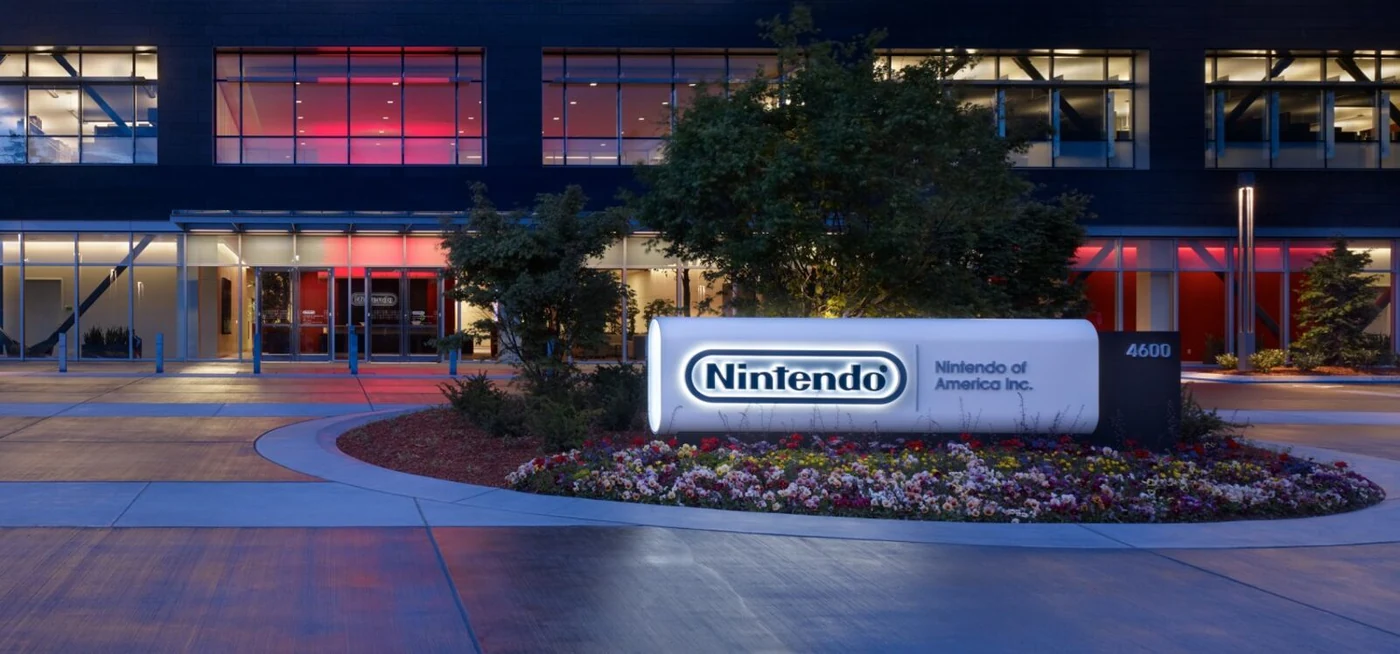
Architect ZGF describes a four-story headquarters designed to bring staff together in a flexible workplace. Daylight, views, a living roof and planted stormwater features are part of its account of the project. The building received LEED Gold certification. It is a different expression of the same basic need: a place for the people behind the games to work.
The contrast is worth keeping in view. In one image, an early headquarters looks almost anonymous. In another, a carefully planned modern workplace reflects the scale of the company it serves. Neither image is a game world. Both belong to the history that made those worlds available to American players.
A return address worth noticing
For Northwest readers, Nintendo’s Redmond address changes the scale of a familiar memory. The company on a controller or cartridge also belongs to a landscape of warehouses and office parks, delivery routes and working days. You can know a game very well without having thought about the people who brought its box into a store.
Looking back at the early photographs makes those people easier to see. Arakawa, Judy and James occupy a real place in a real year. Phillips remembers real players trying real machines. The Nintendo next door story lives in that work, alongside the characters and games that eventually traveled much farther than Washington.