
CARTOONS & CHARACTERS · Wish big
Room for a Little Tree: A Charlie Brown Christmas
After all that wishing, a cartoon asks what is enough.
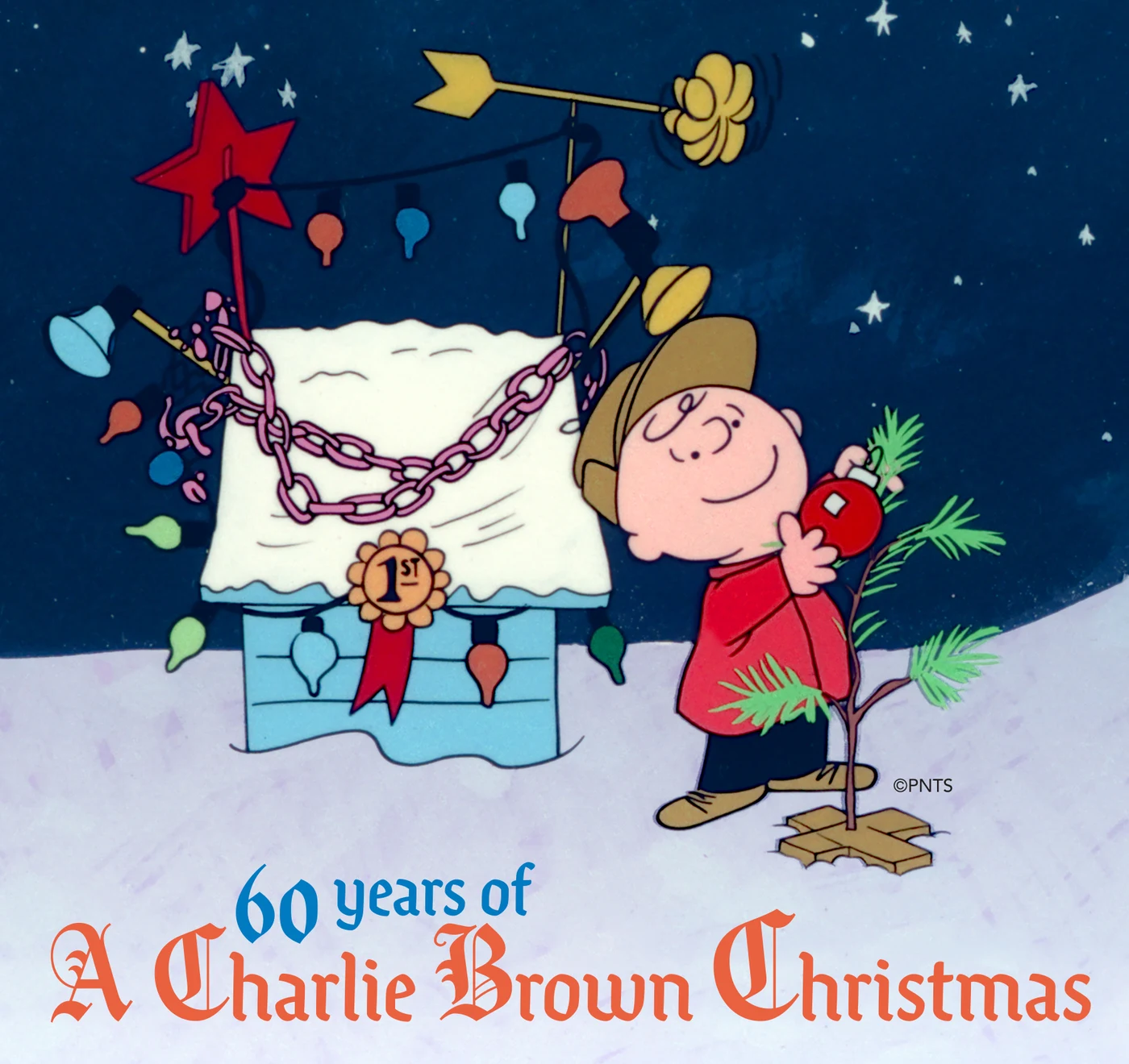
After several pages of robots, spacecraft and extremely desirable boxes, a little tree makes a useful interruption. A wish list can fill every available line and still leave something unnamed. A Charlie Brown Christmas gives that feeling a character: a child surrounded by the signs of a celebration who cannot quite find his way into it.
The special first aired on December 9, 1965. The Charles M. Schulz Museum describes both its immediate acclaim and its later Emmy and Peabody recognition. What now feels like a permanent fixture began as a particular half-hour television production, made by people who had to decide how a newspaper comic should move, speak and sound.
A comic learns to linger
Schulz’s drawings leave room around their characters. An animated version faces a delicate problem: movement can bring a figure to life, but too much activity can crowd out the pause that makes the figure funny or vulnerable. The familiar Peanuts world benefits from moments in which a small gesture is allowed to carry the scene. A lowered head does not need much explanation.
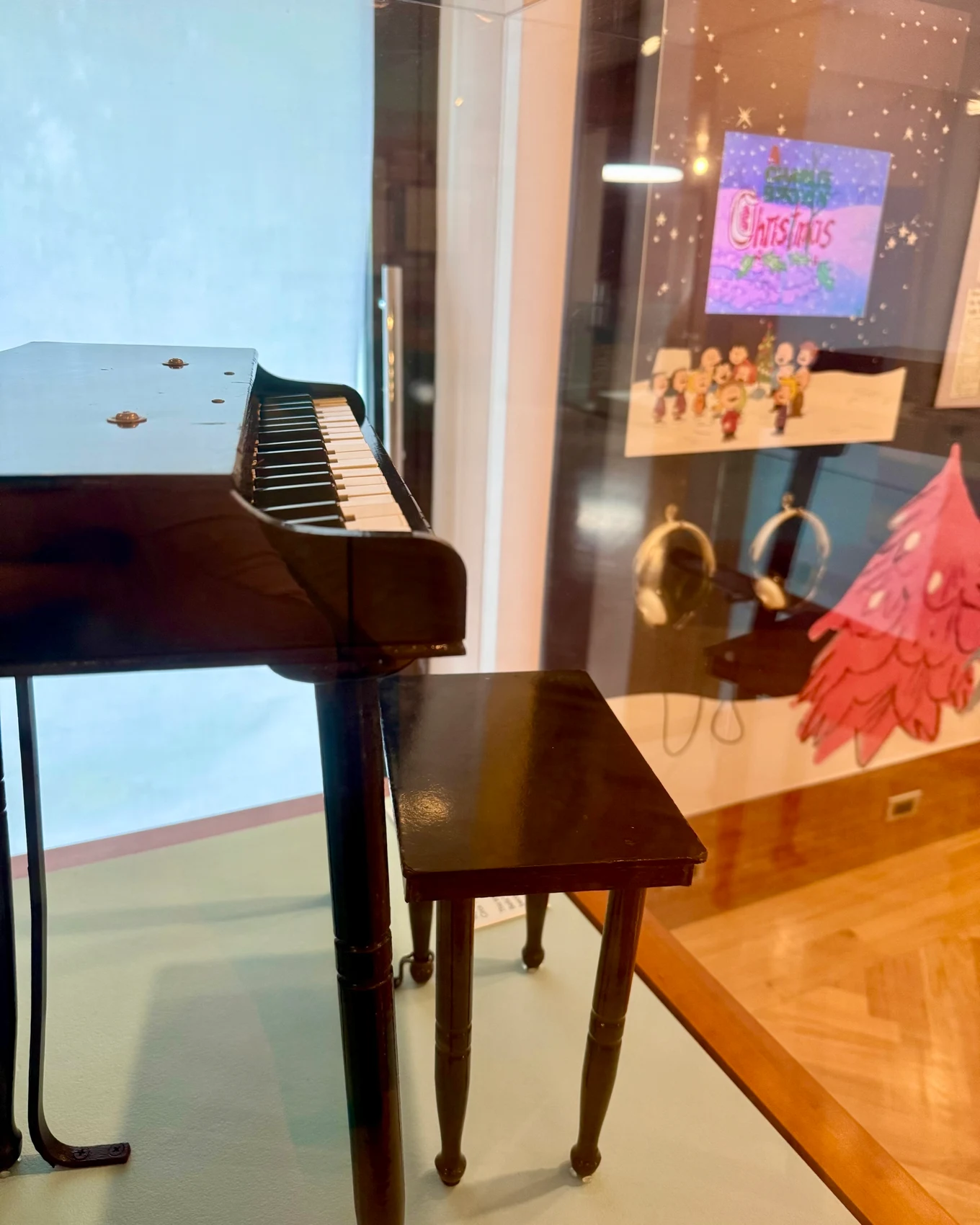
The Museum’s animation history identifies the collaboration among Schulz, producer Lee Mendelson and animator Bill Melendez. Its 2015 exhibition brought together four rare cels from the Christmas special. Those production objects remind us that the apparently effortless image was assembled. A pose, a background and a duration all had to be chosen before the scene could feel simple.
The sound of a different pace
Vince Guaraldi’s music supplies another kind of space. In his Library of Congress essay, Derrick Bang traces the composer’s connection with Peanuts to Mendelson’s earlier documentary project about Schulz. The musical relationship preceded the Christmas special. By the time the holiday program arrived, jazz was already part of the developing screen identity of these characters.
That is an unusually intimate sound for a world of broad seasonal gestures. Piano notes can feel like someone considering what to say next. Rhythm keeps a scene buoyant without demanding that every feeling become a declaration. The music allows warmth and uncertainty to share the same room, which is exactly where Charlie Brown so often finds himself.
The soundtrack also became an object listeners could return to apart from the television image. The Library of Congress records its addition to the National Recording Registry in 2012. A seasonal broadcast and a record offer different kinds of repetition: one asks you to sit down for the story, while the other can become the sound of an ordinary evening.
What belongs on the list?
Placed beside a toy catalog, the special creates an interesting conversation. The catalog encourages close attention to objects: their colors, their scale, their possible adventures. Charlie Brown’s unease turns attention toward the feeling that a celebration is supposed to produce. Wanting a wonderful toy and wanting a less commercial holiday are not experiences that must cancel one another out.
The Schulz Museum’s traveling Christmas exhibition makes the connection tangible. Alongside comic strips and material about the special, it includes vintage Peanuts seasonal novelties. A story suspicious of holiday excess also lives among collectible objects. That is a useful complication for a magazine about things people love: an object can carry affection without being able to supply everything the affection asks of it.
The small tree works as an image because it makes room for care. It does not impress through abundance or technical ingenuity. Its appeal asks for a change in the viewer’s attention. In the middle of a season organized around comparison, something modest can become important because people agree to look after it.
That makes the special a good last stop in a wish-list issue. Enjoy the catalog. Admire the spaceship. Give the robot a place beside the television. Then leave a little room in the picture for what cannot be ordered by number: company, patience, and the pleasure of making an imperfect evening feel like your own.