
TOYS / MATCHBOX · After dark
Welcome to the Toy Aisle, Count Dracula
Monster in My Pocket turned a handful of tiny figures into a cabinet of strange possibilities.
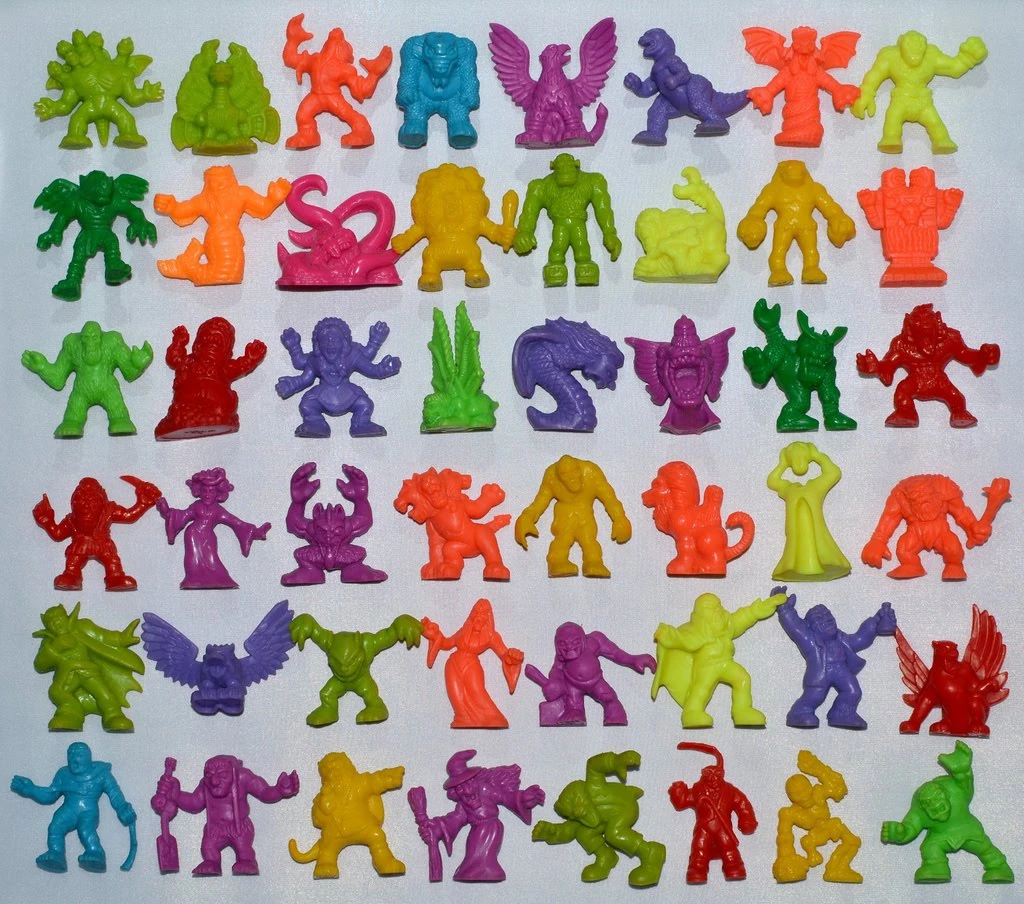
A monster small enough to disappear into a coat pocket has already surrendered one advantage: size. Put it on a desk and you can look down at it. Turn it sideways and the terrible profile becomes a clever lump of sculpted plastic. Monster in My Pocket understood how much fun could fit inside that change of scale.
The Strong National Museum of Play records a Matchbox Series 1 package from 1990 in its collection. The surviving first-series checklist contains 48 creatures. The range makes an unusual little gathering: familiar movie-monster shapes share space with names drawn from folklore, mythology and other traditions.
A name makes a creature stick
In Rik Worth’s interview with co-creator Joe Morrison, the origin story begins with Morrison and John Weems struggling over the scale of a Godzilla poster. Weems suggested making the monster pocket-sized. Morrison connected that thought to his earlier experience with small collectible figures, but wanted the new creatures to have names and stories behind them.
That recollection explains an essential part of the attraction without requiring every childhood collection to have been the same. A tiny figure with a name gives curiosity somewhere to go. A player can invent an adventure immediately, then later discover that the strange word on the checklist points toward a much older story.
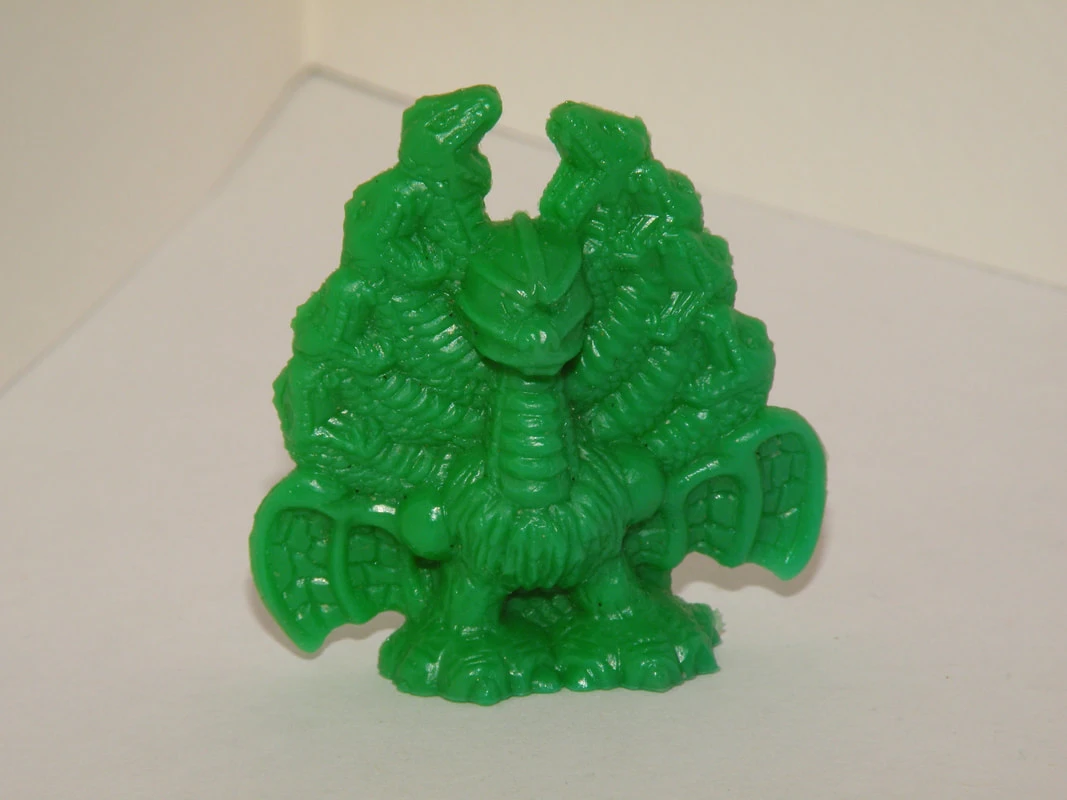
It also creates a pleasant mismatch. A grand, fearsome name belongs to an object you can balance on a notebook. The ordinary surroundings become enormous scenery: an eraser is a plinth, a pencil is a barrier, and a folded piece of paper makes a hiding place. The figure brings the character; the desk provides the world.
The checklist as a landscape
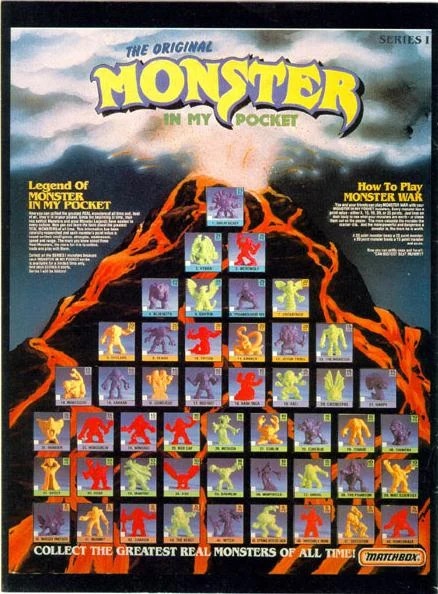
The poster does more than count the collection. It places the figures in a rising arrangement, with small boxes that make each creature part of a larger pattern. There is a visual destination for every new arrival. Even an incomplete collection can be understood at once: look at what is here, then notice the spaces still occupied only by pictures.
The bright single-color figures reward a different kind of attention from a painted action figure. Their edges have to do the descriptive work. A wing, a hunched back, an open mouth or a pair of horns can remain recognizable when the entire object is one color. The little sculpt becomes a silhouette you learn to identify.
That simplicity also gives a mixed handful a strong visual rhythm. A yellow creature beside a purple one is easy to separate, even when both are smaller than the thumb holding them. The colors can matter to the arrangement without needing to stand for the natural color of a vampire or a mythological beast.
Meet number 33
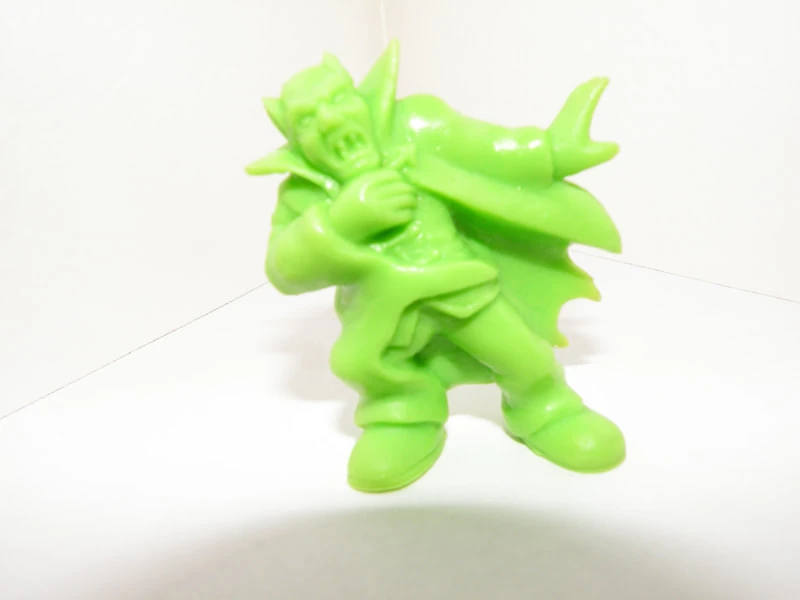
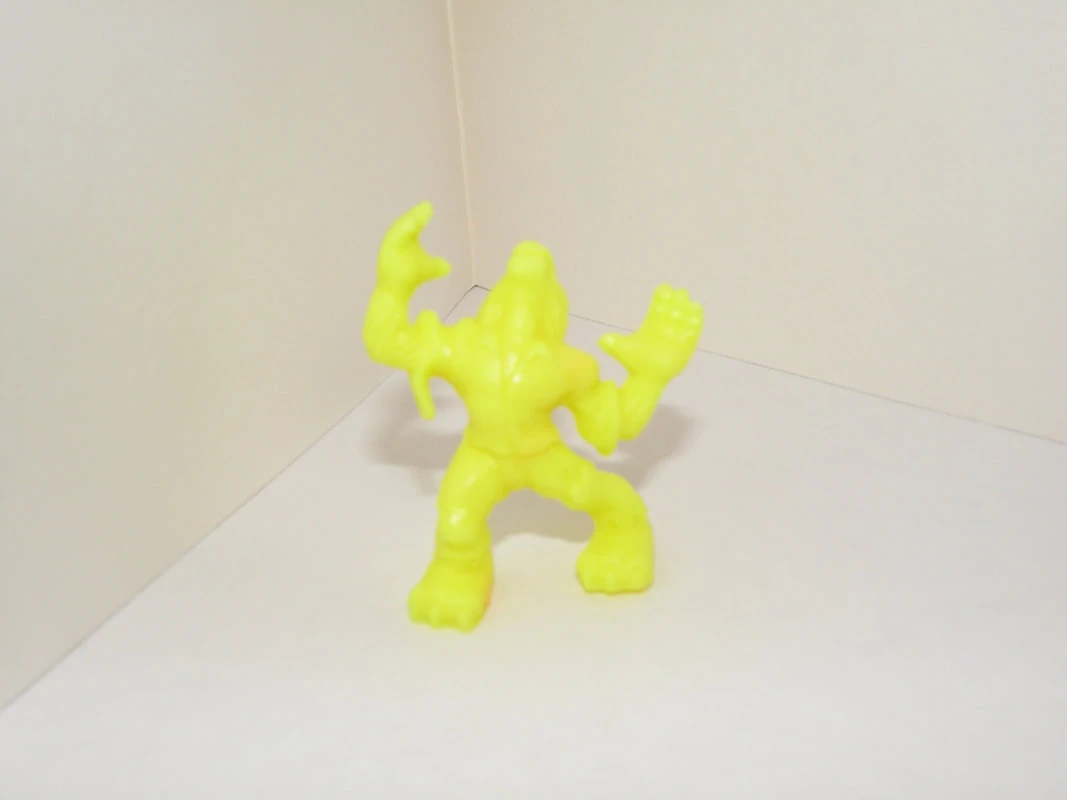
The Vampire makes the design especially clear. The high collar frames a sharply expressive face, while the spreading cape widens the silhouette. The teeth do not need a separate color to be visible. It is a tiny performance of a familiar screen-monster pose, compressed into something that can stand on a shelf.
The toy is labeled Vampire. Calling every small caped figure Dracula would erase a useful distinction between a character and a type. Likewise, the wider checklist is a toy company’s selection, not a reliable guide to the beliefs or traditions from which some names were borrowed. The best next step after recognizing a name is to investigate it beyond the packet.
A collection that travels
A pocket makes collecting portable and informal. The figures can leave the carefully arranged shelf and become company on an ordinary outing. Unlike a large playset, the setting does not need to travel with them. A low wall, a cafeteria tray or the corner of a windowsill supplies a different stage.
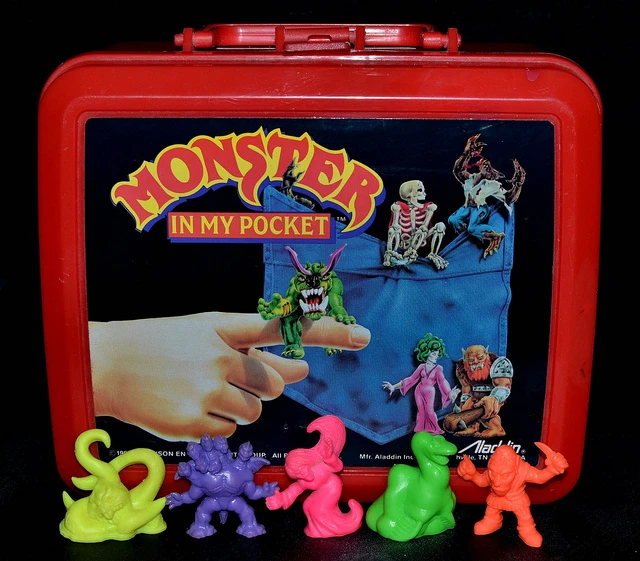
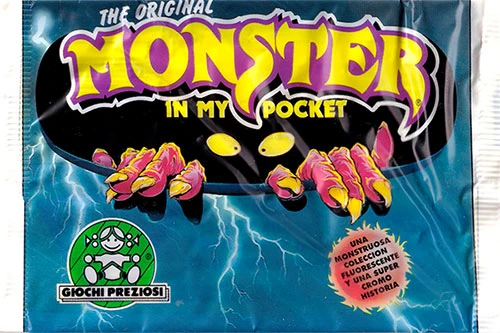
Today, the packet and poster help recover that original invitation. They show a collection as it was offered, before years of mixed boxes, lost pieces and secondhand discoveries rearranged it. The small objects remain easy to enjoy on their own terms: turn one in your hand, find the face, and decide which of its neighbors should come along.
There is room in this Halloween issue for a giant haunted house. There is also room for a monster that needs almost no room at all. Put the Vampire back beside the others and the shelf becomes a gathering place again—strange company, happily reduced to a manageable size.